This content is for informational purposes only and is not intended to be a substitute for professional medical advice, diagnosis, or treatment. Always seek the advice of a qualified physician or other health provider regarding any medical condition.
Outline
Overview | History | Methods | Thumb and Finger Walking | Zone Theory | Aftercare
Charts
Brain | Neck | Heart & Lung | Breast | Spine | Ovary & Uterus | Liver | Pancreas & Spleen | Colon | Kidney | Shoulder & Hip

CONTRAINDICATIONS
Don’t work your lymph system if you’re feeling ill. Moving lymph can easily spread illness, can worsen illness, and can cause sepsis.
Don’t work your lymph system if you have shortness of breath or congestive heart failure or kidney dysfunction.
Don’t work over broken skin or wounds. Use a gentle touch in order to prevent skin irritation.
NEVER work over cellulitis. Go immediately to your PCP or ER for evaluation.
NEVER work over areas which are warm or swollen, especially in the legs. If you are experiencing pain with dorsiflexion, proceed immediately to the ER.
Use caution when taking blood thinners, including aspirin. Non-aspirin NSAIDs can increase blood clot formation.
NEVER work over post-operative sites within 3-4 weeks of surgery or over areas of cancer.
OVERVIEW
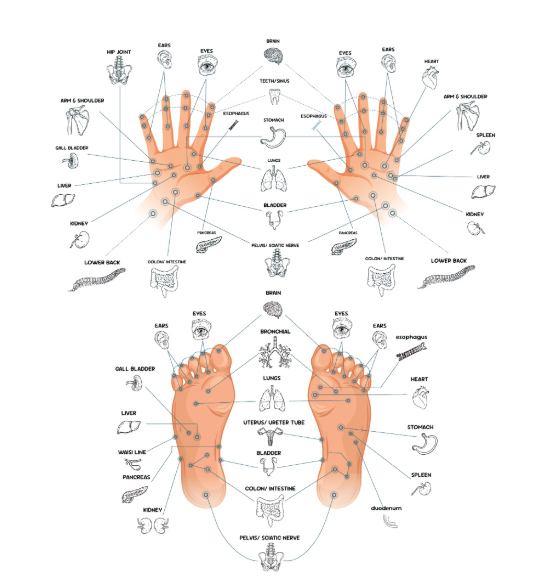
Reflexology is a complementary therapy that involves applying targeted pressure to specific points on the feet, hands, and ears to promote relaxation and internal balance.
— Feet, hands, face and ears mirrors of entire body
— Specific points correspond to distinct organs, glands, and body systems
— Core part of TCM, as qi (pronounced “chee”) flows freely through the body
— Stimulating areas clears blocked energy and encourages nervous system to relax
HISTORY
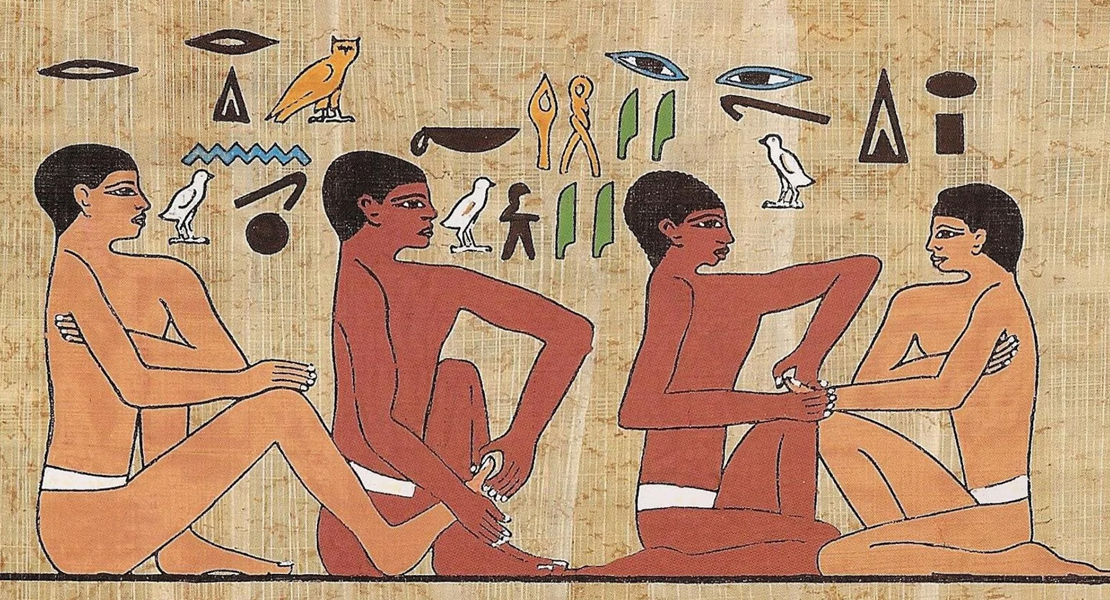
— Egypt, India, Native America, and China
— Pictograph found at Saqqara, Egypt
— Tomb of an Egyptian physician named Ankmahor
— Approximately 2330 BC
— Translate to “Do not let me feel pain” and “I will act as you please”
METHODS
Reflexology uses specific thumb, finger, and hand techniques to press mapped pressure points.
— Entire human body mapped onto feet, hands, face and ears
— Focus on applying pressure to specific nerve zones (reflex points which correspond to body organs) to stimulate neural pathways and to support the body’s efforts to function optimally (homeostasis), allowing a return to wellness, improving circulation and encouraging lymphatic drainage
— Aim for systemic balance and deep relaxation rather than muscle relief
— Natural, traditional practice to increase energy and boost immunity
— Often used with conventional medical treatments to improve comfort and quality of life
— Finger and thumb techniques: thumb walking, finger walking, rotating, and hooking used to stimulate reflex points
— Not a foot massage
THUMB AND FINGER WALKING
ZONE THEORY
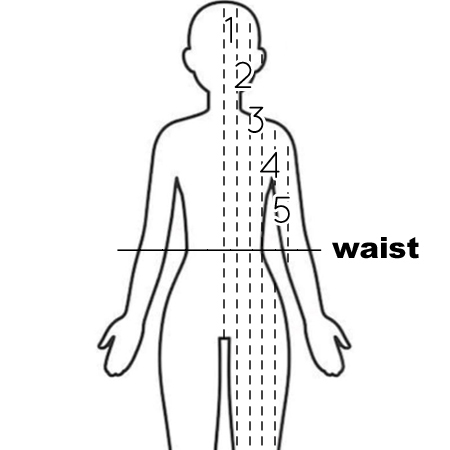
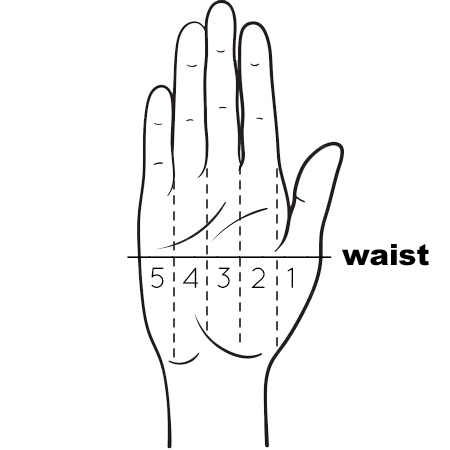

REFLEX: Brain, Pituitary and Hypothalamus
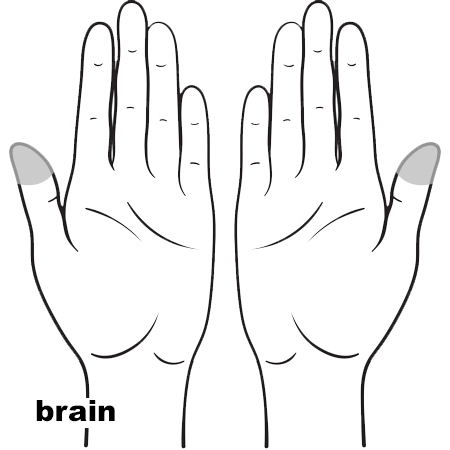
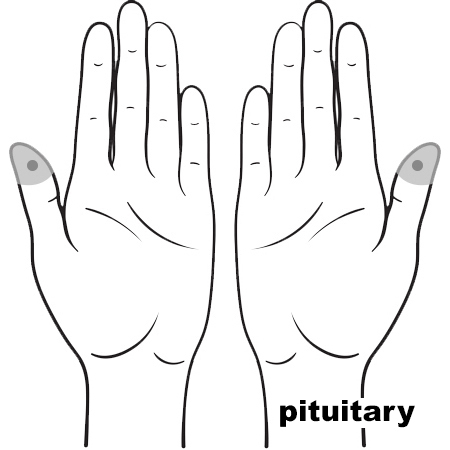
REFLEX: Neck, Thyroid and Parathyroid
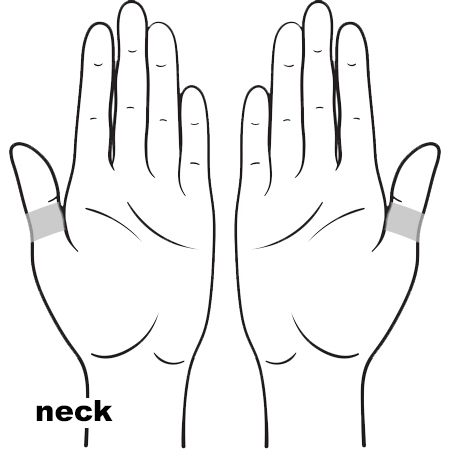
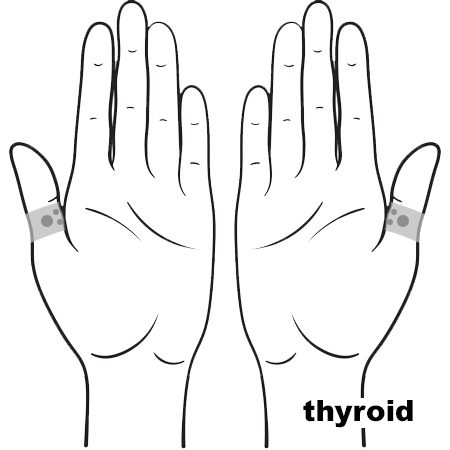
REFLEX: Heart, Lung and Diaphragm
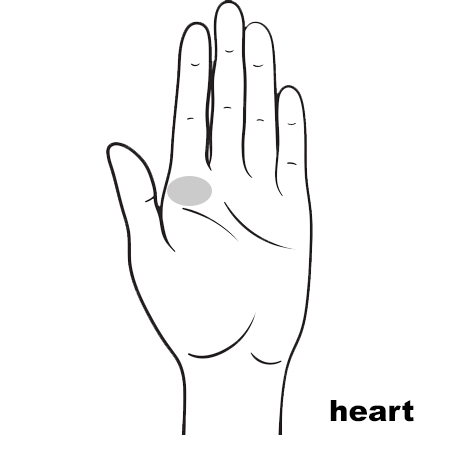
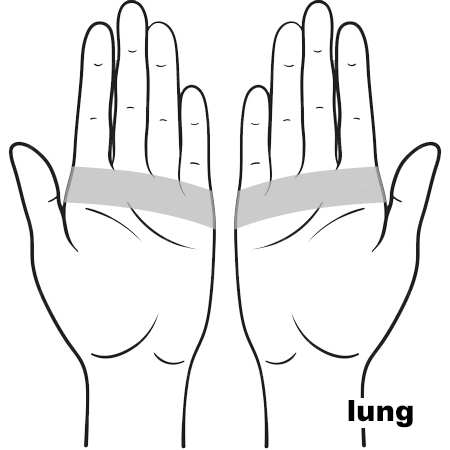
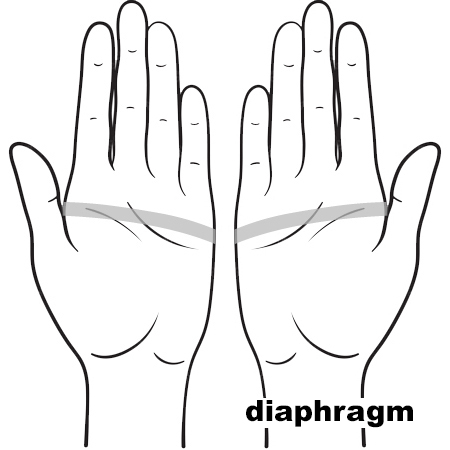
REFLEX: Upper Lymph, Breast, Thoracic and Abdominal Lymph
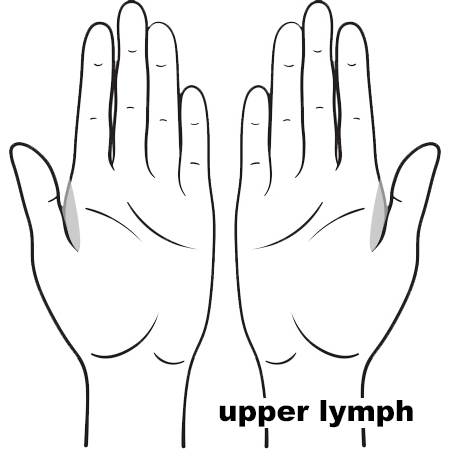
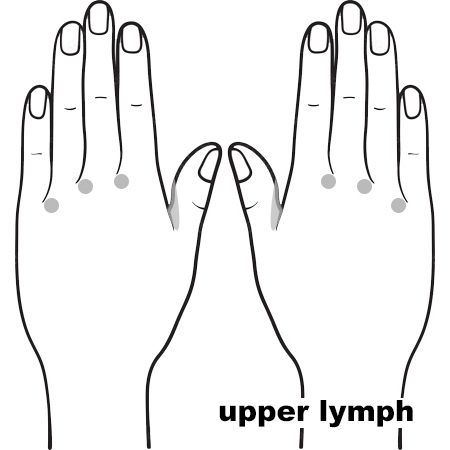
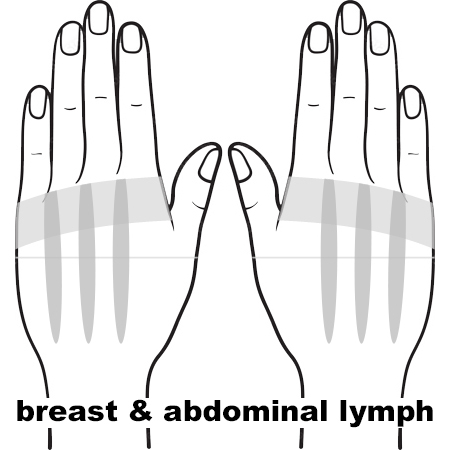
REFLEX: Spine, Thoracic Duct, Cisterna Chyli, Inguinal and Pelvic Lymph
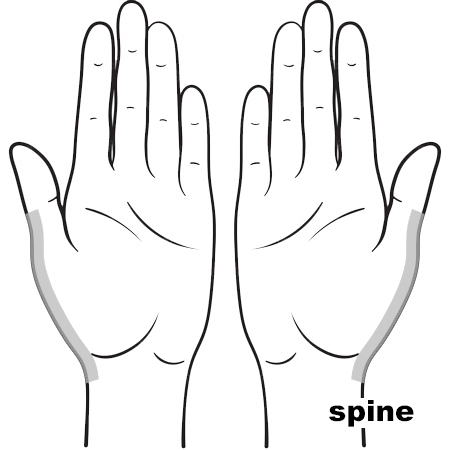
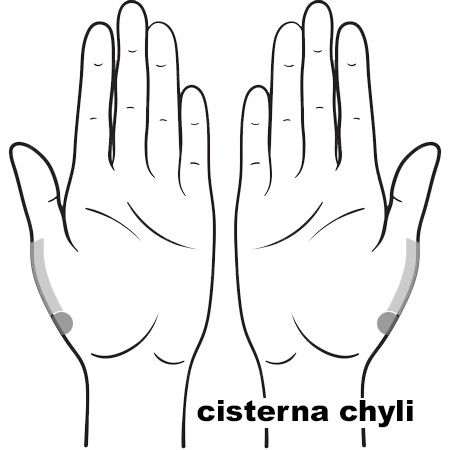

REFLEX: Ovary (Testes) and Uterus (Prostate), Fallopian Tube (Vas Deferens), and Sciatic
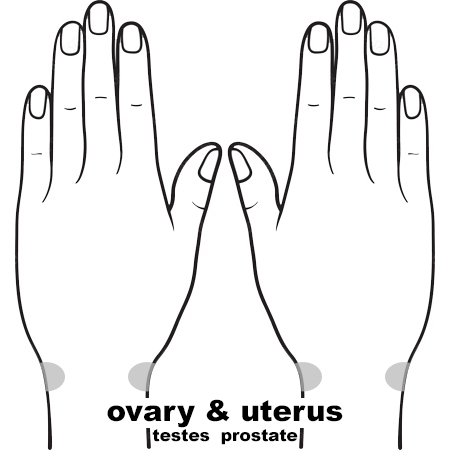
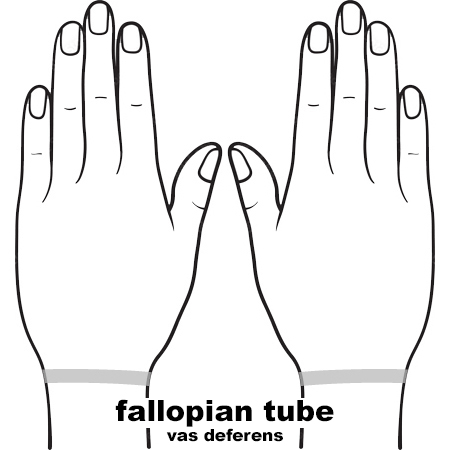

REFLEX: Liver and Gallbladder
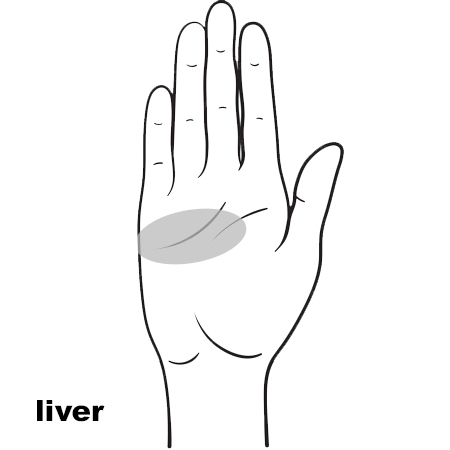
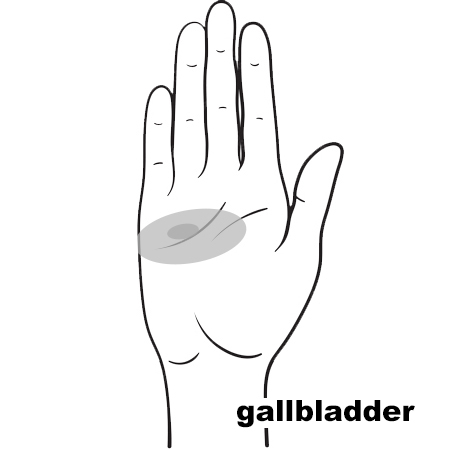
REFLEX: Stomach, Pancreas and Spleen
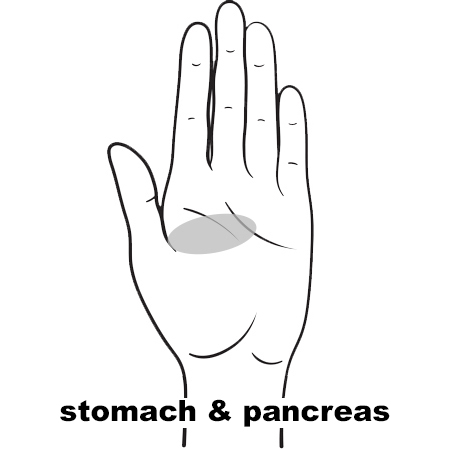
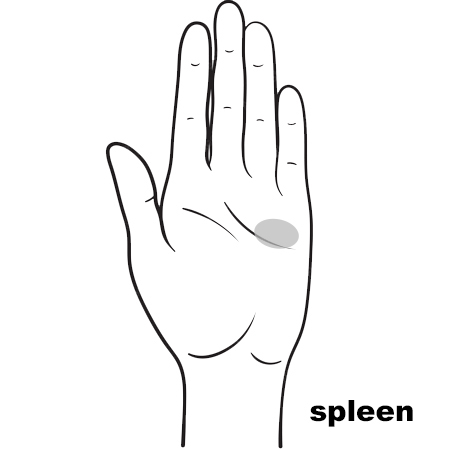
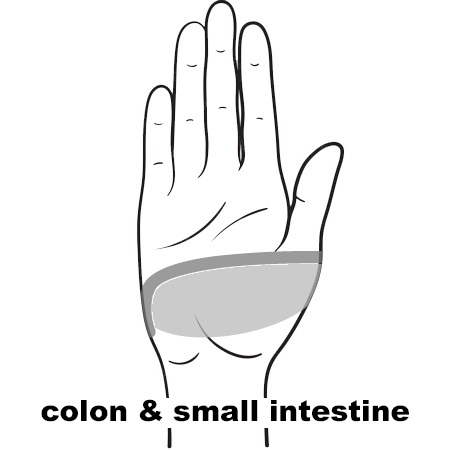
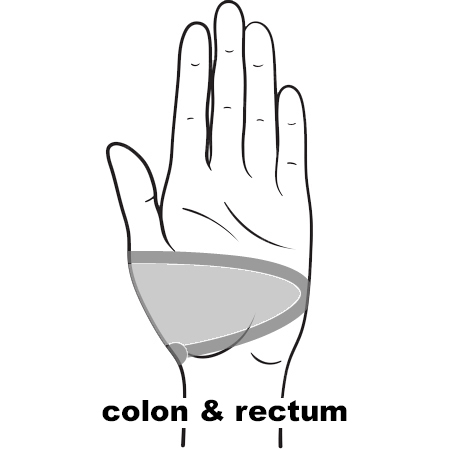
REFLEX: Small Intestine, Colon and Rectum
REFLEX: Kidney, Adrenal, Ureter and Bladder
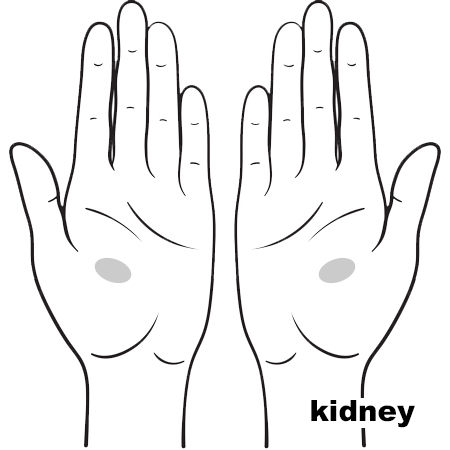
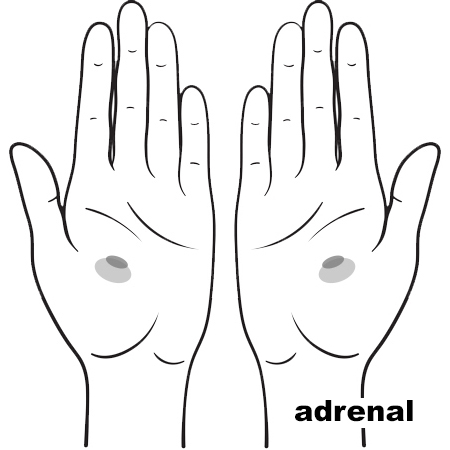
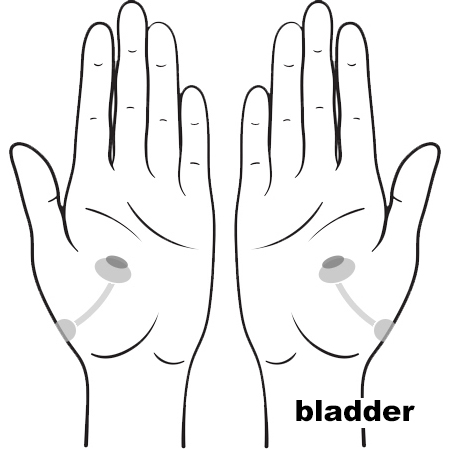
REFLEX: Shoulder, Axillary Lymph and Arm, Knee and Hip, and Pelvis
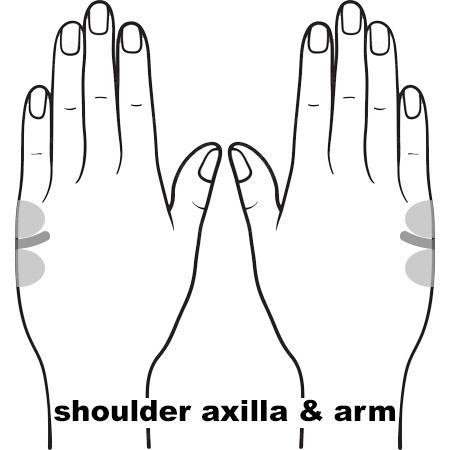
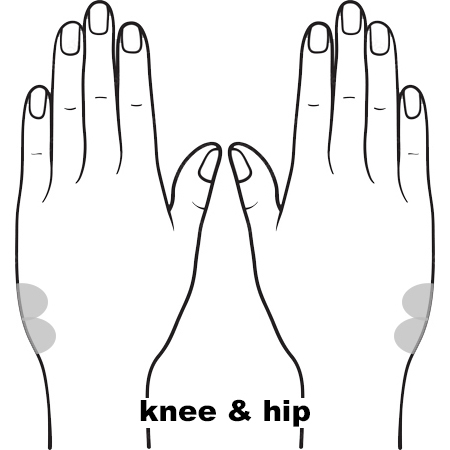
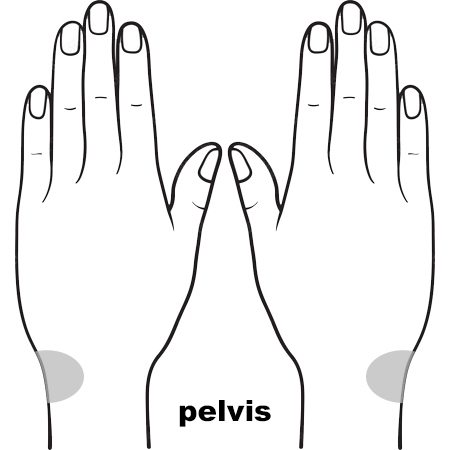
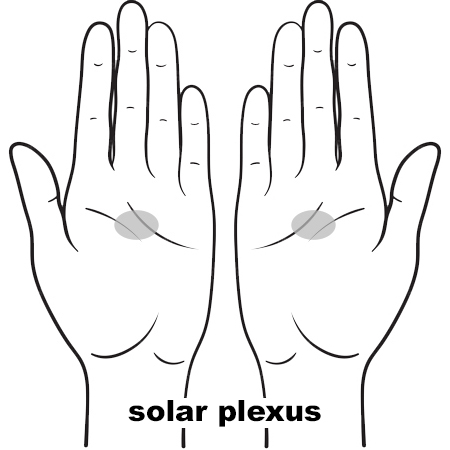
REFLEX: Sinus, Nose and Mouth, and Solar Plexus
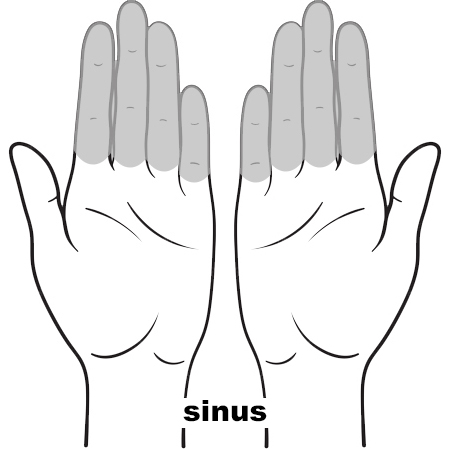
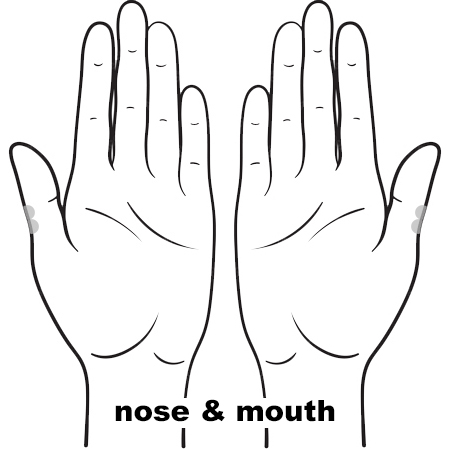
Aftercare
To ensure full benefits, the following items are recommended for 24 hours following treatment:
— Drink plenty of water, as this will help hydrate the body, help the liver and kidneys flush out toxins, and improve energy levels.
— Try to rest for a couple of hours following therapy and avoid strenuous exercise for the rest of the day as this will help the treatment work to its full potential.
— Avoid tea, coffee, and alcohol, as these are stimulants and will reduce the effectiveness of therapy.
— Eat a light and healthy diet to allow your body to put its energy into healing.
Thank you for attending!
I hope this class was helpful to you.
Reflexology should never be used as a substitute for medical care.
It is a complementary therapy to be used together with a conventional medical treatment plan.