Deep Oscillation® Therapy
for Swelling, Pain, Scarring, and Post-Surgical Recovery
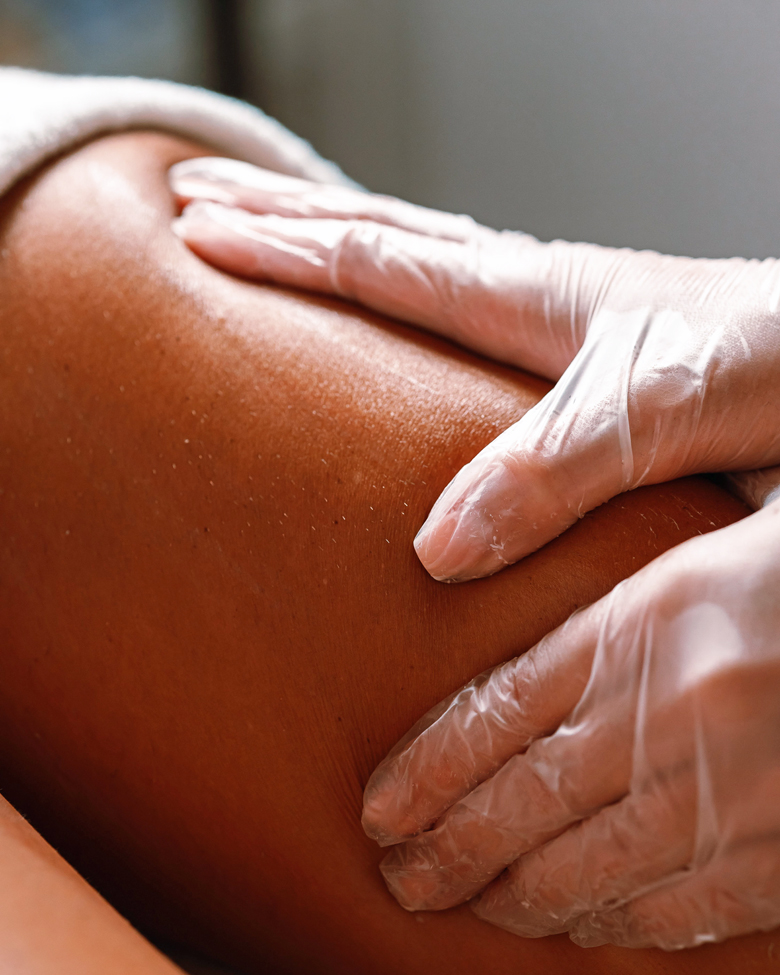
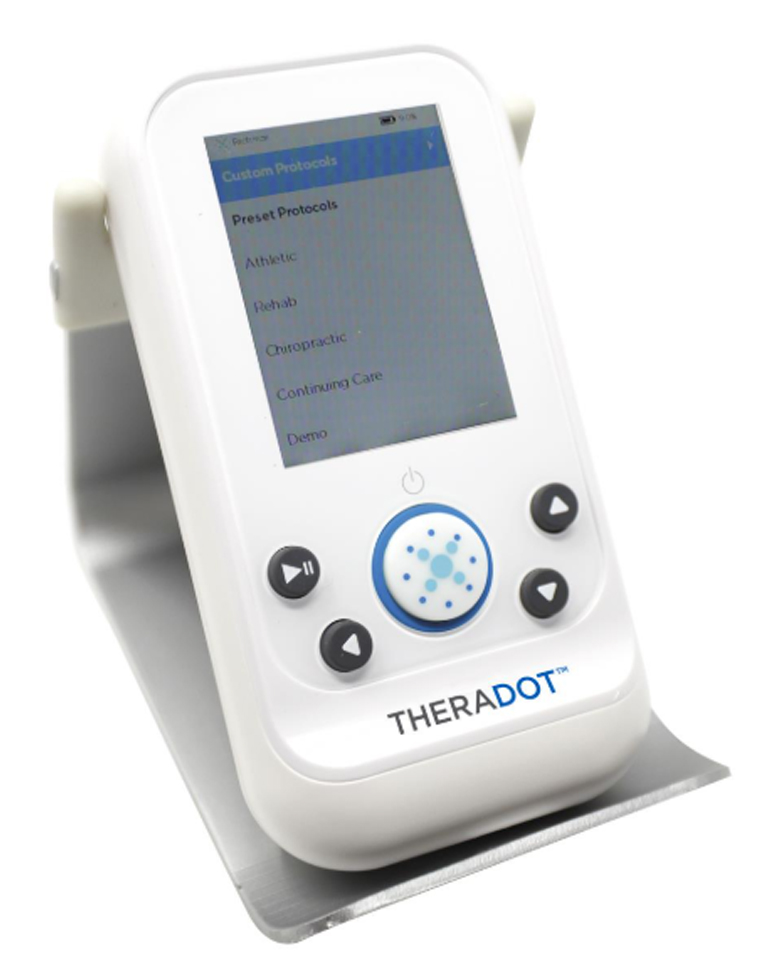
Deep tissue oscillation therapy (DOT) is a gentle, non-invasive, athermal (heat free), therapeutic method which utilizes gentle massage and the DOT device to create gentle, rhythmic vibrations in the body's tissues. The device uses a low-frequency, low-intensity pulsed electrostatic field to create gentle, rhythmic vibrations deep within the skin, connective tissue, fat, muscles, and blood/lymphatic vessels, stimulating cellular healing, lymphatic drainage, and pain relief without heavy mechanical pressure. This massage method gently moves interstitial fluids and stimulates cellular communication. The internal pumping action helps break down inflammatory matter and speeds up lymphatic drainage and interstitial fluid flow. It can be used on acute injuries, edemas, and fibrotic tissue adhesions with minimal discomfort, making it safe for acute injuries or fresh post-surgical areas.By using attraction and friction, electrostatic impulses set the treated tissue into pleasant vibrations, without the use of external mechanical forces. In contrast to other forms of therapy, these oscillations have an extremely gentle and deep-acting effect on all tissue components. Overall, DOT is a safe and effective treatment option for a wide range of conditions, providing relief without the need for invasive procedures or medication.
How does deep tissue oscillation work?
DOT uses electrostatic attraction and friction to generate gentle, biological micro-vibrations within tissue layers, distinguishing it completely from conventional electrotherapy — it does not use an electrical current. Unlike TENS or standard electrical stimulation that passes electrical currents through the body to target nerves or muscles, DOT does not force electrical impulses into the tissue.
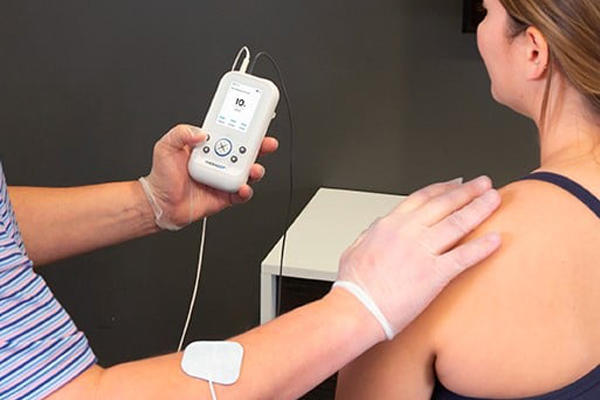
DOT works via an electrostatic field created between the hands of the therapist and the client — a closed-loop circuit is created between the client and the therapist with the use of electrodes or a titanium contact bar. As the therapist massages the client with the use of vinyl gloves (for insulation), the device emits alternating electrical impulses which gently lift and drop the skin and connective tissue, causing the tissue layers to be rhythmically “shaken” or oscillate from within, up to 250 times per second.

What are its benefits?
DOT provides a painless, gentle, and relaxing treatment that is safe for both acute and chronic conditions.
Accelerated recovery. DOT is highly effective for post-surgical edema, swelling, and wound healing. It improves metabolic exchange and local nutrition, promoting faster closure for diabetic ulcers, burns, and secondary healing wounds. The therapy can help speed up the healing process by increasing the flow of nutrients and oxygen to the affected area.
Lymphatic drainage. DOT is proven to significantly reduce secondary lymphedema when used alongside manual lymphatic drainage. It moves protein-rich fluid solids into the lymphatic pathways. It significantly reduces lymphedema, lipedema, and post-traumatic or post-operative swelling.
“Deep oscillation massage was shown to be safe and well tolerated in patients with moderate to severe grades of fibromyalgia syndrome of high chronicity and was highly accepted. The 3-month follow-up revealed sustained improvements in symptoms and quality of life, hence suggesting a benefit from treatment with deep oscillation massage, even though it was applied as a single-modality treatment.”
Kraft, et al. (2013). Safety and effectiveness of vibration massage by deep oscillations: A prospective observational study.
Pain reduction. DOT helps diminish pain from sports injuries, chronic conditions, and fibromyalgia. It reduces inflammation by lowering local inflammatory mediators, easing both acute traumatic and chronic neuropathic pain.
Scar tissue management. DOT softens scar tissue and breaks down fibrosis, improving tissue pliability and contractures, while relaxing underlying muscles to restore flexibility.
Relaxation and stress relief. DOT can help promote relaxation, reduce muscle tension, and relieve stress and anxiety.
What are advantages of deep tissue oscillation?
Key advantages of DOT include: Early intervention. Unlike other modalities such as ultrasound, shortwave, or microwave diathermy, because DOT generates no heat, it can be safely used immediately post-surgery, on fresh trauma/sprains, and over areas with metal plates, breast implants, or joint prostheses to reduce swelling, bruising, and inflammation -- which can paradoxically lead to a reduction of excessive heat (rubor) associated with inflamed, injured tissue. Accelerated wound and scar healing. DOT stimulates lymphatic drainage to effectively pump away trapped fluid and reduce inflammation. It improves tissue oxygenation and blood circulation, while helping to break down fibrous tissue for softer, more flexible scars. Physical relief. DOT requires virtually zero downward physical pressure, protecting the therapist’s hands and wrists from strain.Effective pain relief. DOT calms nerve endings, relaxes tight muscles, and reduces muscle spasms. It has been found to be highly comfortable for clients experiencing severe pain or hypersensitivity.
What are contraindications for deep tissue oscillation?
♦ Acute infections
♦ Acute venous diseases (thrombosis)
♦ Active tuberculosis
♦ Cardiac decompensation
♦ Hypersensitivity to electrostatic fields
♦ Infectious skin diseases
♦ Malignancies
♦ Pacemakers — client and practitioner — or other implanted stimulators
♦ Pregnancy — client and practitioner
♦ Vertebrobasilar insufficiency
Are there side effects or possible reactions to deep tissue oscillation?
Clients suffering from chronic disorders may at first react to therapy with the following symptoms:
♦ Acute pain sensations in the area undergoing treatment, primarily three to four hours after the conclusion of treatment (complaints usually persist for several hours before they ease all of a sudden, often after urination)
♦ Increased desire to urinate (color and smell of urine can be entirely different)
♦ Hypersensitivity of the skin in the area of treatment (which may persist up to several days)
♦ Tiredness ranging from weariness to exhaustion
♦ Rise in local temperature (rare)
♦ Reduction in blood pressure
How does deep oscillation assist in treating lipedema?
Conventional electrotherapy acts on the neuromuscular system. DOT intervenes in the connective tissue.
Pain relief. DOT calms sensitive nerves and reduces chronic pain.
Swelling reduction. DOT helps drain lymph fluid in the arms and legs.
“In lipoedema, the reduction of adipose tissue may be a significant component of tissue remodeling. However, this response was accentuated only in the group associated with deep oscillation, suggesting that it promotes a greater circulation of inflammatory and interstitial fluid (Kraft et al. 2013; Aliyev 2009). A mechanism of deep oscillation with electrostatic waves promotes smooth vibrations in the tissues and electrolytes, observing the lymphatic and circulatory activation, thus reducing the fluid concentration between the fat cells.”
Zapata, et al. (2014). The effects of shock waves and deep oscillations on lipoedema.
Softens tissue. DOT breaks down hard, lumpy areas of fibrosis.
Surgery support. DOT can prepare lipedema tissue for liposuction, making liposuction more effective and protecting against adverse effects of the procedure. In addition, because it can be used at a very early stage postoperatively, the healing process is accelerated, reduced pain, bruising and swelling. Scar quality is improved, and local inflammation is inhibited and stopped over a sustained period.
Deep tissue oscillation is widely utilized in physical therapy clinics, chiropractic offices, and athletic training facilities and is often used to treat conditions like scar tissue, edema, lipedema, and fibromyalgia. Because of its extremely gentle, non-traumatic nature, it is a key tool for highly sensitive clients, acute injuries, and early post-operative care. Research on DOT can be found here.
◊…………..◊…………..◊