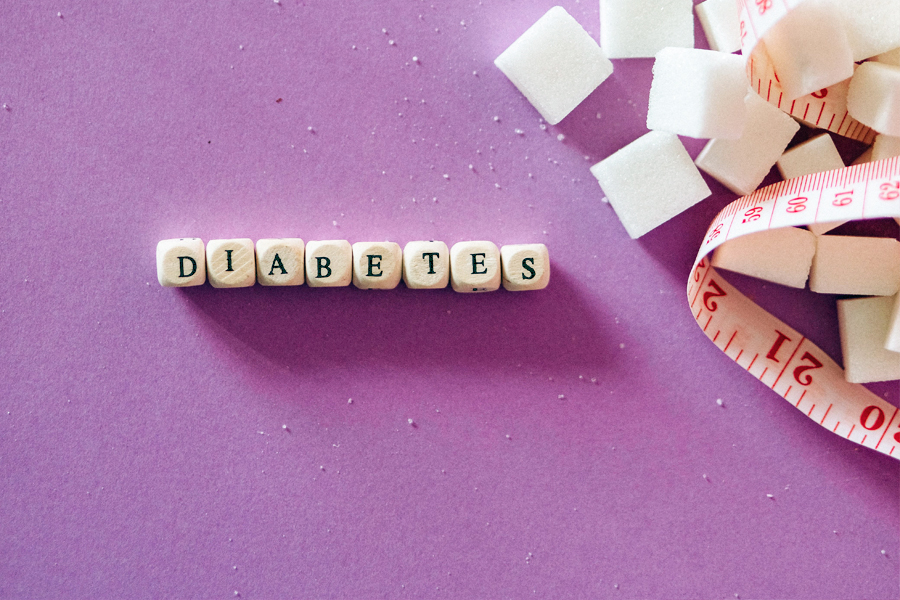
Women with lipedema often have higher insulin sensitivity and a lower risk of metabolic diseases (like type 2 diabetes and high blood pressure) compared to women with the same body mass index who have general or lifestyle-induced obesity.
Lipedema fat is typically gynoid (stored in the hips, thighs, and lower legs), which carries a lower metabolic risk than the visceral or abdominal fat often seen in generalized obesity. Studies show that individuals with lipedema can have significantly higher insulin sensitivity (up to 48% higher) than BMI-matched peers without lipedema. Lower rates of impaired glucose metabolism and fewer lipid abnormalities are commonly observed in early- to mid-stage lipedema.
How Lipedema and Metabolism Intersect
Hormonal activity. Lipedema fat tissue is biologically and metabolically active—it produces hormones like estrogen and can influence systemic turnover and energy use.
Weight loss response. While lipedema-affected fat in the legs is notoriously stubborn, moderate weight loss (via caloric balance, anti-inflammatory Mediterranean diets, or medical interventions like GLP-1 receptor agonists) still improves overall insulin sensitivity and total metabolic health.
Risk of progression. Over time, chronic inflammation, reduced mobility, or the development of secondary lymphedema (lipo-lymphedema) can place extra stress on the body and shift metabolic risks.
Research
Cifarelli, V., Smith, G., Gonzalez-Nieves, S., et al. (2025). Adipose tissue biology and effect of weight loss in women with lipedema. Diabetes.
Faria, A., Valerio, C., Barcellos, C., et al. (2026). Unraveling lipedema: Comprehensive insights and the path to future discoveries. Metabolic Health and Disease.
Jeziorek, M., Wuczynski, M., Sowicz, M., et al. (2025). Metabolic alterations in women with lipedema compared to women with lifestyle-induced overweight/obesity. Biomedicines.
Marquez, J., Rubinstein, S., Fattor, J., et al. (2013). Cyclic hypobaric hypoxia improves markers of glucose metabolism in middle-aged men. High Altitude Medicine & Biology.
Additional Information
Lipedema body composition: Understanding fat distribution and metabolism | Thomas Wright MD