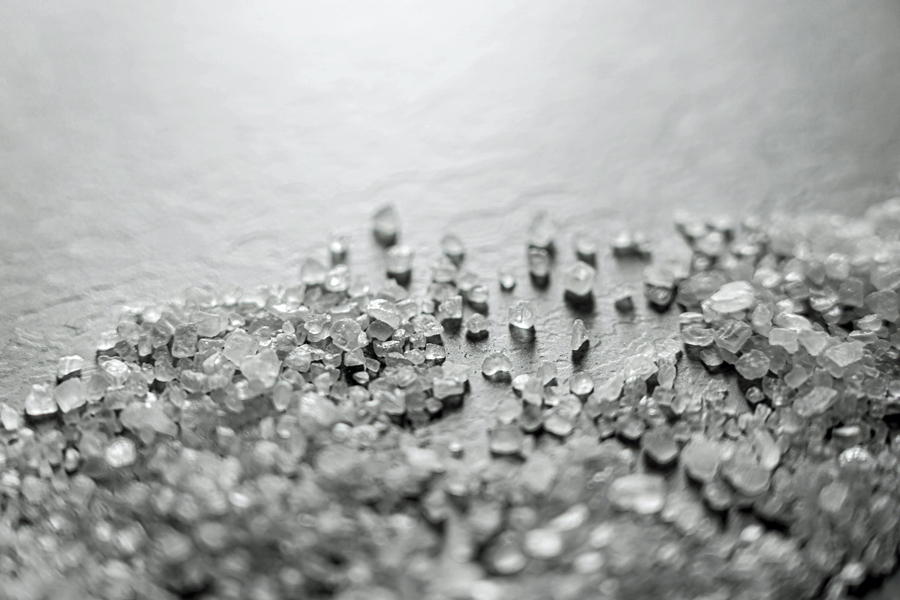
Salt therapy, or halotherapy, involves inhaling microscopic salt particles in a controlled room, aiming to ease respiratory issues like asthma and allergies, improve skin conditions such as eczema, and promote relaxation by thinning mucus, reducing inflammation, and killing germs. Rooted in ancient practices, it is an alternative treatment where machines disperse salt into a room, and scientific backing is limited but suggests potential benefits, especially for lung health, although more studies are needed.
Uses and benefits
Respiratory. Halotherapy assists with asthma, allergies, bronchitis, and sinusitis.
Salt therapy helps clear mucus by having inhaled salt particles draw water into the airways, thinning mucus and making it easier to cough up, which reduces inflammation and congestion for conditions like asthma, bronchitis, and sinusitis, though it’s an alternative therapy and more research is needed. The microscopic salt particles act as a mucolytic, breaking down thick mucus, and also possess antibacterial/anti-inflammatory properties.
Skin. Halotherapy is beneficial for eczema, psoriasis, acne, and dermatitis.
Salt therapy uses micronized salt particles to potentially alleviate symptoms of skin conditions like eczema, psoriasis, acne, and rosacea by reducing inflammation, killing bacteria, and improving skin barrier function. Salt has antibacterial and anti-inflammatory properties, and the salt particles act as natural antiseptics and exfoliants, helping to absorb excess oil, soothe redness, and promote skin repair and hydration.
About halogenerators
A halogenerator grinds salt into tiny particles and disperses them (sodium chloride) into the air. These particles are inhaled and travel deep into the respiratory system. The salt is thought to absorb excess mucus, thin it, and act as a natural antiseptic and anti-inflammatory, helping clear airways and soothe skin.
Passive salt rooms are filled with salt (like Himalayan or Dead Sea salt) for a more meditative, less particle-focused experience. True halotherapy utilizes a halogenerator to disperse salt into the air. The concept dates back to ancient times, but modern halotherapy began in 19th-century Poland, where miners in salt caves showed remarkable lung health.

Clearlight’s® Halo One® halotherapy generator was chosen for use in treatments because of its vibrating mesh technology: 3% pharmaceutical-grade saline solution is pushed through a vibrating mesh, creating smaller salt particles for more effective salt therapy. Halo One® is the only halotherapy generator producing particles between 1-10 microns, offering a natural alternative to salt caves without clumping or harsh chemicals.
When should salt therapy be avoided?
Halotherapy has been recognized as a safe and effective wellness practice for preventive and restorative health care. It is not a medical treatment and does not offer a cure.
Halotherapy is not recommended for people with contagious diseases, fever, open wounds, cancer, severe hypertension, mental disorders and active tuberculosis. Salt therapy is not advised during chemotherapy as the detoxification process of dry salt therapy may react with the chemo. Pregnant women should consult with their doctor before using halotherapy. Anyone with serious health concerns need to seek proper medical advice and care.
A natural remedy to consider for relief of respiratory issues, skin conditions, or stress, halotherapy treatments are available with all services.
Additional Information
A guide to halotherapy | Sonora WellCare
Benefits of salt therapy | Salt Therapy Association
History and background of halotherapy | Salt Therapy Association
How and why halotherapy works | Salt Therapy Association
What is halotherapy? | Web MD
What is halotherapy and can it be used to treat COPD? | LPT Medical
