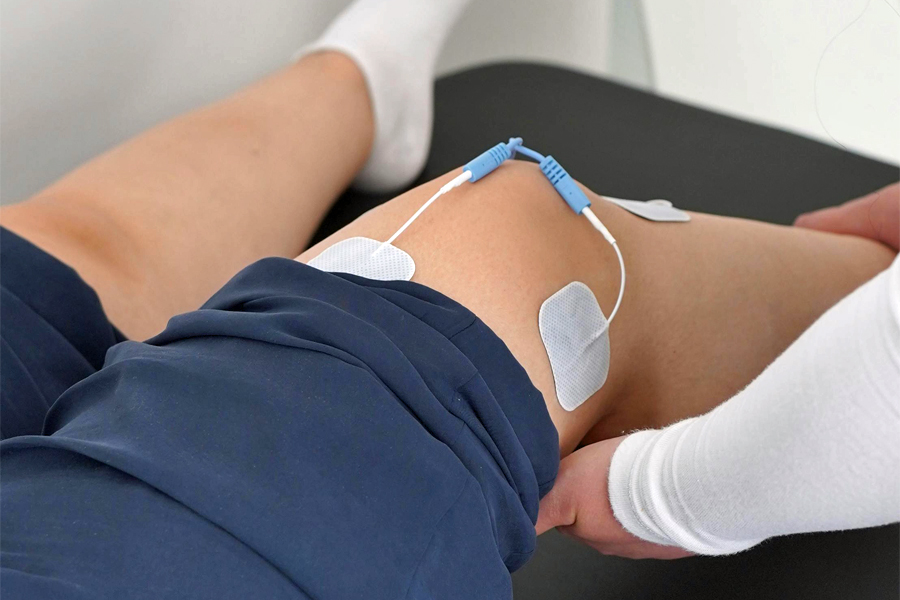
Microcurrent point stimulation (MPS) is a non-invasive, needle-free therapy that combines acupuncture principles with low-frequency direct current (DC) to treat chronic pain, scars, and stress. Both MPS and electroacupuncture stimulate acupuncture points to relieve pain and balance the nervous system. The key difference is that MPS uses a non-invasive, handheld device (such as the Dolphin Neurostim) which uses a probe rather than needles to apply gentle, low-frequency DC microcurrents to the skin, which is often considered more comfortable and less invasive. Both therapies focus on stimulating trigger points and nervous system regulation to manage pain, but MPS is specifically noted for its focus on softening scar tissue and calming the nervous system.
MPS uses microcurrents (measured in milliampere), which are sub-sensory and mimic the body’s natural electrical frequency. Both MPS and electroacupuncture target meridians and nerve points, but MPS is specialized for scar release therapy and relaxing chronic muscle contraction (guarding). MPS is generally painless, making it ideal for patients sensitive to stronger currents.
Differences between MPS and traditional electroacupuncture.
Methodology. MPS uses handheld metal probes to stimulate points. Electroacupuncture uses needles inserted into the skin.
Sensation. MPS is typically sub-sensory (non-invasive, painless). Electroacupuncture may produce a pulsating sensation.
Intensity. MPS uses very low-level (microampere) current that mimics the body’s natural electrical flow. Electroacupuncture generally uses higher, milliampere levels of current.
MPS is often described as a hybrid of acupuncture and microcurrent therapy, sometimes referred to as “non-needling electro-acupuncture.” According to Acupuncture Today, in their article The Magic of Microcurrent, microcurrent therapies reduce electrical resistance on the body areas and pathways to improve healing.
For more in-depth technical details on how MPS acts on acupuncture points, see the National Institutes of Health study on MPS and neck pain.
How microcurrent helps lymphedema.
Microcurrent therapy is an emerging, non-invasive treatment for lymphedema. By applying very low-intensity electrical currents (measured in microamperes) to the skin along lymphatic pathways, it aims to reduce swelling, soften hardened (fibrotic) tissue, and promote the growth of new lymphatic vessels. While it is currently an emerging, complementary option rather than a replacement for standard therapies, clinical and animal studies show promising signs for managing secondary lymphedema.
Stimulates lymph flow. Low-level electrical currents gently stimulate the lymphatic system, encouraging the stagnant protein-rich fluid to move and drain.
Reduces fibrosis. The therapy promotes tissue remodeling and reduces fibrotic (thickened) tissue often seen in secondary lymphedema.
Improves healing. It increases cellular energy (ATP) production, supporting tissue repair in areas where lymphatic obstruction has damaged the skin.
Promotes angiogenesis. Studies have shown it can encourage blood vessel growth and improve the development of new lymphatic vessels.
Elio, et al. (2014), studied how microcurrent affected lymphedema and found that the volume of the limb measured had a 2% reduction after six days of treatment. The pre/post-treatment visual analog scale score changes were a 47% reduction in heaviness and a 64% reduction in pain, with no side effects reported.
Conclusions: The preliminary data of this pilot study show that the combination of microcurrents of bioresonance with transdermal delivery of active principles indicate that it could result in edema decrease and symptom improvement in patients affected by lymphedema and/or lipedema of the lower limbs. Self-administered modality of the electrical device is possible and effective; no side effects have been reported.
While lymphedema remains an incurable condition, promising results have emerged from recent studies. For instance, a 2023 controlled study on animal models demonstrated that daily microcurrent therapy significantly reduced limb circumferences, minimized fibrotic tissue, and improved overall lymphatic flow compared to sham treatments. Research published by the National Institutes of Health has also explored low-frequency electrotherapy, noting that treatments applied to lymph node stations can be a painless and effective way to help alleviate lymphedema.
Therapists typically use specialized handheld devices or electrode pads to gently stroke or stimulate areas corresponding to lymph nodes and along lymphatic drainage pathways. Microcurrent should not replace gold-standard treatments like complete decongestive therapy (CDT), which includes manual lymphatic drainage (MLD) and compression garments.
Research
Belmonte, R., Tejero, M., Ferrer, M., et al. (2012). Efficacy of low-frequency low-intensity electrotherapy in the treatment of breast cancer-related lymphoedema: A cross-over randomized trial. Clinical Rehabilitation.
Cassileth, B., Van Zee, K., Yeung, K., et al. (2013). Acupuncture in the treatment of upper-limb lymphedema: Results of a pilot study. Cancer.
Cavezzi, A., Paccasassi, S., & Elio, C. (2013). Lymphedema treatment by means of an electro-medical device based on bioresonance and vacuum technology: Clinical and lymphoscintigraphic assessment. International Angiology.
Cho, S., Sung, W., Lee, Y., et al. (2023). Therapeutic effect of microcurrent therapy in a rat model of secondary lymphedema. Annals of Palliative Medicine.
Cueni, L., & Detmar, M. (2008). The lymphatic system in health and disease. Lymphatic Research and Biology.
de Valois, B., Young, T., & Melsome, E. (2011). Acupuncture in lymphoedema management: A feasibility study. Journal of Lymphoedema.
Elio, C., Guaitolini, E., & Paccasassi, S. (2014). Application of microcurrents of bioresonance and transdermal delivery of actives principles in lymphedema and lipedema of the lower limbs: A pilot study. Giornale italiano di dermatologia e venereologia.
Jonik, S., Rothka, A., & Cherin, N. (2025). Investigating the therapeutic efficacy of microcurrent therapy: A narrative review. Therapeutic Advances in Chronic Disease.
Pluck, A. (2023). Is manual lymphatic drainage with bio-electric massage therapy a good treatment combination for lymphoedema and lipoedema? A case study. Journal of Lymphoedema.
Shen, A., Li, M., Ning, H., et al. (2025). The promising application of acupressure for management of cancer-related lymphedema: A scoping review. Asia-Pacific Journal of Oncology Nursing.
Smith, C., Pirotta, M., & Kilbreath, S. (2014). A feasibility study to examine the role of acupuncture to reduce symptoms of lymphoedema after breast cancer: A randomised controlled trial. Acupuncture in Medicine.
Yeh, C., Zhao, T., Zhao, M., et al. (2019). Comparison of effectiveness between warm acupuncture with local-distal points combination and local distribution points combination in breast cancer-related lymphedema patients: A study protocol for a multicenter, randomized, controlled clinical trial. Trials.
About Magnesium Silicate
Magnesium silicate has been studied as a transdermal (skin-delivered) agent combined with specialized electromedical devices to treat lower limb lymphedema and lipedema. It is used to help improve lymphatic drainage and reduce limb volume, particularly when combined with microcurrents or vacuum technologies.
Magnesium silicate is delivered transcutaneously (through the skin) during sessions that use microcurrent to potentially lyse protein aggregates and enhance lymphatic drainage. Studies have shown that this approach can lead to improvements in lymphedema, including reducing limb volume (e.g., studies reported an 8% reduction in lower leg volume) and improving lymph node visualization on imaging — in a pilot study, magnesium silicate was applied during daily sessions, which were initially done by a physiotherapist and later self-administered by patients at home. The treatment has been reported to be safe with no significant side effects highlighted.
Beyond direct treatment, hydrous magnesium silicate (talc) is used in herbal poultices and compresses to support the skin, acting as a moisture-absorbing agent that keeps the area dry and comfortable. Magnesium silicate is also known as a component of talc, and the material used in these therapeutic contexts is generally recognized as safe (asbestos-free). According to Drugs.com, talcum products used in cosmetics have been free of asbestos since the 1970s. Magnesium silicate should not be confused with systemic magnesium supplements, which work differently on fluid regulation.
Additional Information
Bioelectric meridian therapy | Academy of Bioelectric Meridian Massage Australia
Acupuncture may be a new tool for treating lymphedema but data is lacking Toronto Physiotherapy
Clinical microcurrent stimulators: How they work and what they treat | Pantheon Research
The effects of acupuncture on the lymphatic system | The Acupuncture Association
Electroacupuncture versus traditional acupuncture: Expert comparison | Pantheon Research
Electroacupuncture with Dolphin MPS Neurostim | Hun Chiropractic
Here’s how MPS therapy helps lymphatic drainage | Sure Cure Wellness
How acupuncture can help with lymphatic drainage | North End Acupuncture
Lymphatic restoration therapy | Bella Vida Medical Massage
Lymphedema and acupuncture: Exploring alternative treatment options | Norton School of Lymphatic Therapy
Microcurrent point stimulation: Benefits and science | Pantheon Research
Microcurrent therapy and acupuncture | Healthy for Life Wellness Center
Microcurrent therapy for lymphatic flow and inflammation reduction | Pantheon Research
The role of microcurrent in lymphatic drainage: Detoxification and skin health | EvenSkyn