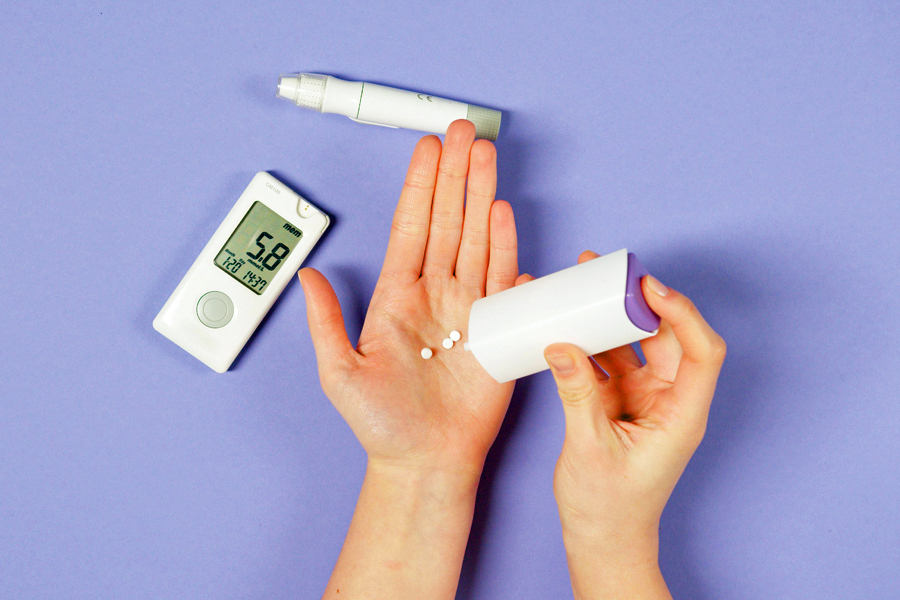
Stress-induced hyperglycemia (SIH) is a temporary rise in blood sugar from the body’s stress response — such as illness, injury, or surgery — releasing hormones like cortisol and adrenaline that block insulin’s action and tell the liver to release more glucose, making cells resistant to sugar uptake. This condition is common in hospitals but is manageable with insulin in acute cases or lifestyle changes for chronic stress.
Causes and Mechanisms
Hormonal surges. Physical or emotional stress triggers the release of stress hormones (cortisol, adrenaline, glucagon).
Insulin resistance. These hormones make your body’s cells less responsive to insulin, meaning sugar can’t get in easily.
Increased glucose production. The liver produces and releases more glucose (sugar) into the bloodstream for quick energy.
Common Triggers
Acute illness. Infections, heart attacks, strokes, severe injuries, sepsis.
Surgery. Especially major procedures.
Intensive care. High rates in ICU patients.
Chronic stress. Ongoing emotional or mental strain.
Symptoms
Symptoms are often subtle. Typical diabetes symptoms may not occur if the condition is temporary. Signs of underlying stress include trouble sleeping, headaches, irritability, digestive issues, feeling unwell, and getting sick often.
Management and Treatment
Acute (while hospitalized). Insulin therapy (IV insulin in ICU, subcutaneous insulin elsewhere) is used to control blood sugar.
Chronic (everyday) stress. Managing stress through relaxation, exercise, good diet, and therapy, with lifestyle changes to improve insulin sensitivity.
Monitoring. Regular glucose checks are crucial to track levels.
Summary
SIH is the body’s fight-or-flight response gone into overdrive, making blood sugar temporarily high. While it often resolves when the stressor is gone, it signifies metabolic changes that need monitoring, especially in critical care, and highlights the link between stress and blood sugar regulation.
Research
McCowen, K., Malhotra, A., and Bistrian, B. (2001). Stress-induced hyperglycemia. Critical Care Clinics.
Vedantam, D., Poman, D., Motwani, L., et al. (2022). Stress-induced hyperglycemia: Consequences and management. Cureus.