 Sondra
 Yin fluid in Traditional Chinese Medicine (TCM) represents the body’s essential moistening, cooling, and nourishing substances, including blood, saliva, joint fluid, and intracellular fluids. It balances Yang (heat, activity) by keeping the body calm, hydrated, and cool. Jin Ye represents all normal bodily fluids — including sweat, saliva, and joint lubrication — essential for nourishing tissues and maintaining health. “Jin” refers to thin, clear, watery fluids that circulate with protective Wei Qi (defensive Qi, or the immune system) to moisturize skin and muscles, and “Ye” refers to thicker, turbid, viscous fluids which lubricate joint cavities, the brain, spinal cord, and internal organs.
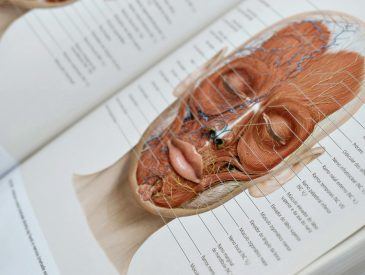
Zang Fu organ theory is a foundational concept in TCM, categorizing organs into “Zang” (Yin) and “Fu” (Yang) based on their function, rather than just anatomy. “Zang” organs (liver, heart, spleen, lung, and kidney) produce and store vital substances — Qi, blood, essence), while “Fu” organs (gallbladder, small intestine, stomach, large intestine, bladder, and triple “warmer” or “burner” (Sanjiao) — transmit and digest, forming paired systems that maintain holistic body balance.
Lipedema is frequently understood in TCM as a condition involving Yin excess, specifically characterized as a chronic accumulation of dampness, phlegm, and cold that overwhelms the body’s Yang energy (see Tan Yin below) resulting from dysfunction in the Zang-Fu organ systems, particularly the spleen, liver, and kidney. It is interpreted as a manifestation of Qi stagnation, blood stasis, and significant fluid accumulation. This accumulation leads to the chronic fluid buildup, fat deposition, and stagnation associated with the disease.
Tan Yin (phlegm fluid) in TCM refers to the pathological retention of bodily fluids due to dysfunction of the spleen, lungs, and kidneys, resulting in accumulated dampness or fluid. TCM often classifies lymphedema and lipedema-related swelling under this syndrome. “Tan” refers to thickened fluids (phlegm), while “Yin” refers to thin fluids. Often called “phlegm fluid retention,” Tan Yin represents a type of fluid metabolism disorder. It is a subset of phlegm-retention syndromes, which arise when the body fails to properly transport and transform water, leading to internal accumulation.
Treatment generally focuses on warming the Yang and promoting urination to expel fluid. Specific dietary and lifestyle changes are often recommended, including staying warm and avoiding cold, damp environments. Tan Yin is distinguished from thick “phlegm” (tan) by being thin, clear fluid, often referred to as “congestive fluid.”
The fatty, thick, or edematous fluid characteristic of lipedema is viewed as an accumulation of pathological Yin, which causes obstruction and poor circulation. This Yin excess (too much fluid/fat) often presents with symptoms of cold, where the tissue feels cold to the touch and circulation is impaired — an accumulation of dampness, phlegm, and cold that overwhelms the body’s Yang energy. This accumulation leads to the chronic fluid buildup, fat deposition, and stagnation associated with the disease.
Lipedema is primarily regarded as a combination of spleen Qi deficiency (resulting in fluid accumulation) and liver Qi stagnation (causing pain and poor circulation).
Liver Qi stagnation hinders the smooth flow of Qi and blood, contributing to pain, inflammation, and the characteristic accumulation of fatty tissue in lipedema. While the spleen is responsible for transporting fluids, a stagnant liver often “overacts” on the spleen, exacerbating fluid retention (edema) and the formation of dampness/phlegm. While the spleen is the root of the problem, the lungs play a critical role in the “water metabolism” aspect of lipedema by controlling the dispersion of fluids and the movement of fluids to the kidneys.
In TCM, the lungs are known as the “upper source of water,” responsible for dispersing fluids throughout the body, particularly to the skin and space between muscles. If lung Qi is weak or restricted, fluids fail to move properly, causing fluid retention, swelling, and edema. The lungs distribute protective Wei Qi (defensive Qi, or the immune system) along with fluids between the skin and muscles. Because lipedema affects the connective tissue/subcutaneous tissue under the skin, a weakness in lung Qi can lead to a weakened defense mechanism (impaired immunity) and reduced fluid movement in these areas.
Poor lung Qi, combined with liver stagnation, leads to fluid stasis that eventually becomes viscous, forming the hard, painful nodules seen in later stages of lipedema. A deficiency in lung Qi can lead to shallow breathing, fatigue, and a low voice, which are often reported in advanced lipedema cases (stage 3). Because “too much yin requires fire to dissipate it,” a deficiency in kidney Yang (the body’s heating/metabolic force) can lead to the inability to warm and move these fluids, requiring intervention to boost warmth and circulation.
TRADITIONAL CHINESE MEDICINE PERSPECTIVES ON LIPEDEMA SYMPTOMS
Pain and heaviness are linked to stasis of Qi and blood, often caused by liver stagnation.
Adipose accumulation is viewed as a form of phlegm-dampness accumulation, which is the accumulation of thick fluid/fluid-like fat.
Easy bruising and tenderness are associated with blood stasis, indicating that the circulation in the affected areas is blocked.
Fluid swelling directly relates to the inability of the spleen and kidneys to regulate water balance in the body.
Phlegm is caused from an imbalance in the processing of fluids. It is both a cause of disease and a product of disease. There are two types of phlegm: substantive — for example, coughing up mucus — and insubstantial — for example, phlegm causing psychological imbalances. Phlegm can have various effects on the body. Phlegm in the lungs causes thick mucus, with cough, or asthma. Phlegm in the “mind” causes depression, psychosis, epilepsy, or manic depression. Phlegm stagnation causes lumps, swellings, fibroids, gallstones, or kidney stones. Phlegm blocking Qi flow to the head causes dizziness or blurred vision. Phlegm blocking the meridians causes numbness or stroke.
Therapeutic Approaches (Addressing Yin Excess)
Practitioners may focus on strengthening the spleen, boosting kidney yang, and removing liver stagnation to help manage symptoms. Strategies for lipedema focus on reducing excess Yin through warming, moving, and draining techniques:
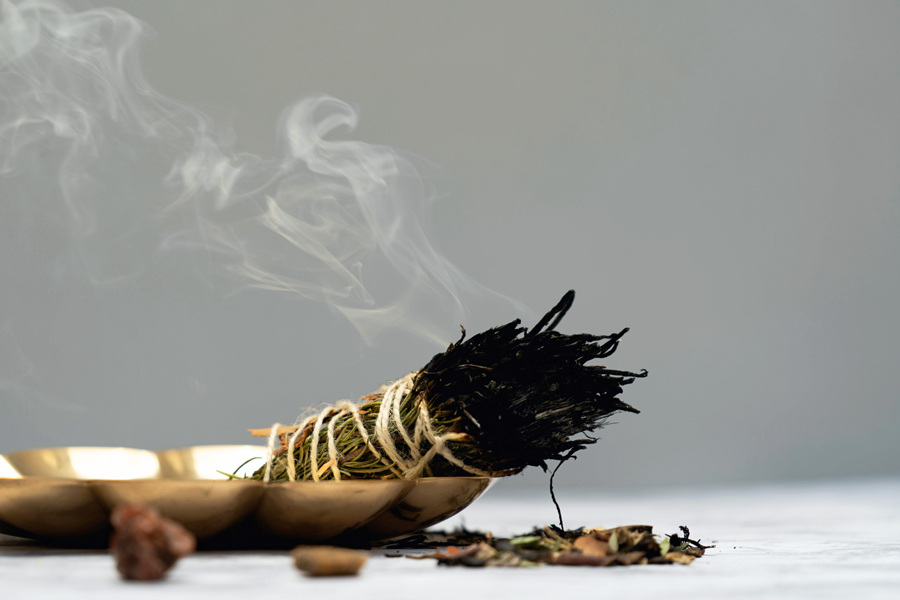
Moxibustion. A key technique using moxa to apply heat to acupuncture points, designed to “boil away” the accumulation of water and phlegm.
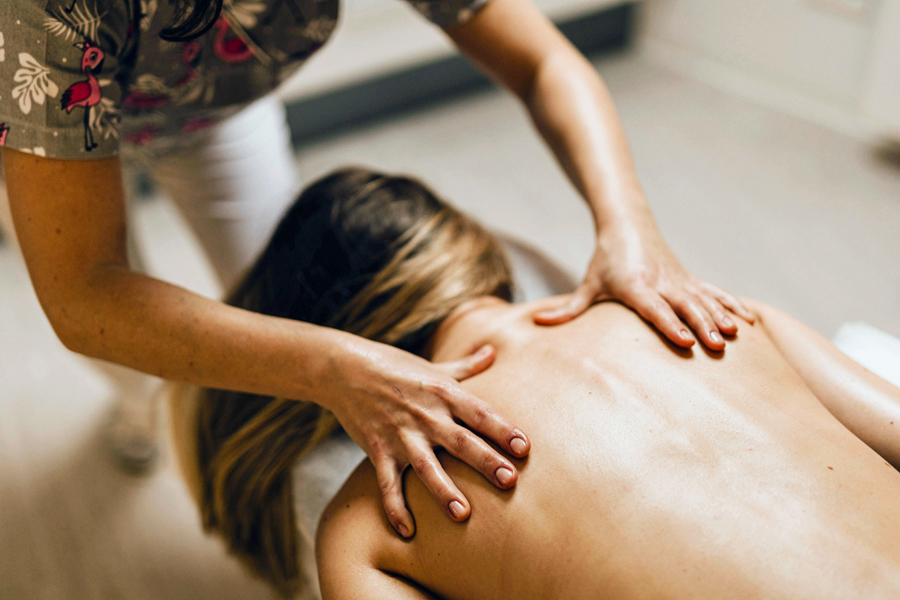
Acupuncture. Acupuncture, electroacupuncture, cupping, and gua sha are used to stimulate meridians, improve lymphatic flow, and address liver stagnation. Electroacupuncture or bioelectric meridian therapy may be used to reduce swelling, improve lymphatic drainage, and reduce pain by unblocking the meridians.
Scar release therapy applies microcurrent to soften and “repolarize” restrictive scar tissue, encouraging better flow. Vagus nerve stimulation can decrease internal inflammation and stimulate lymphatic function — muscular relaxation can calm the nervous system and reduce the constriction on lymphatic vessels.
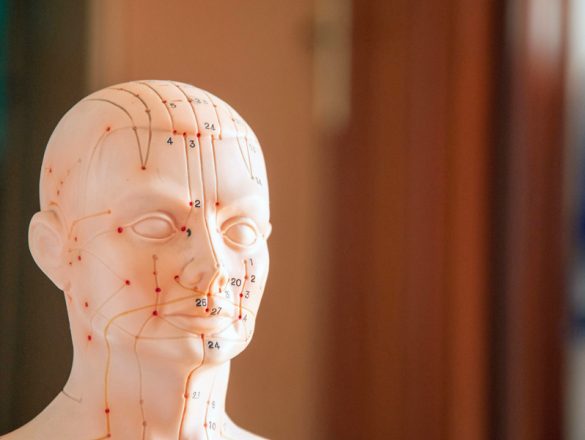
Acupuncture points include SJ6 (Zhigou), important for moving Qi, clearing heat, and regulating water passages (often used for constipation and stubborn fluid blockage). SJ10 (Tianjing) is useful for reducing swelling and stagnation. While not a San Jiao point, SP6 (Sanyinjiao or “Three Yin Intersection”) is crucial for tonifying spleen and kidneys, resolving dampness, and promoting circulation. CV9 (Shuifen) is the “Water Passage” point, used specifically to promote fluid metabolism and reduce swelling. ST36 (Zusanli) and SP9 (Yinlingquan) are often paired to strengthen the spleen and dry dampness. KD7 (Fuliu) enhances kidney function to promote fluid metabolism. CV6 (Qihai) strengthens overall Qi and aids in fluid transformation.
Herbal medicine. Herbs are often chosen to enhance “dampness” reduction (using diuretics) and “phlegm” resolution. Specific formulas (such as Linba Fang) are used to address the phlegm and stagnation.
Yin yoga. While the condition involves excess Yin, gentle Yin Yoga can help by fostering relaxation, reducing tension in connective tissue, and supporting gentle lymph flow.
Dietary adjustments. Reducing raw, cold and dairy foods, which can aggravate spleen deficiency and further increase dampness, and focusing on warming, nutrient-dense foods, is encouraged to reduce the accumulation.
While TCM may not remove the genetic aspect of lipedema, it is used to manage symptoms, slow progression, and reduce pain.
Research
Matos, L., Machado, J., Monteiro, F., et al. (2021). Understanding traditional Chinese medicine therapeutics: An overview of the basics and clinical applications. Healthcare.