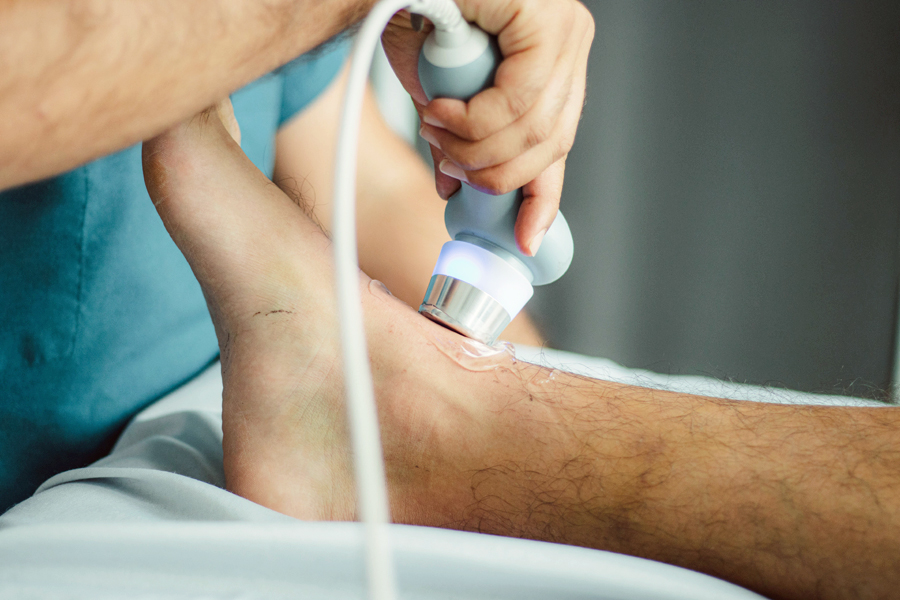
Sound wave therapies — specifically shockwave and ultrasound — break down scars by delivering acoustic (sound) energy which causes mechanical stress, creating microtraumas in dense, fibrous tissue. This process disrupts collagen fibers, stimulates blood flow, and promotes new blood vessel formation, which helps soften, shrink, and remodel scar tissue into healthier tissue.
How does sound wave therapy work on scar tissue?
High-energy sound waves create mechanical pressure, breaking down fibrous adhesions and dense connective tissue. This mechanical impact triggers the release of growth factors and promotes new blood vessels, which allows the body to reabsorb scar tissue and replace it with healthier collagen.
Sound waves are effective on post-surgical scars (orthopedic, cosmetic), keloid scars, and hypertrophic (raised, red) scars, reducing their thickness and improving mobility. It is a non-invasive, quick treatment (10-30 minutes) that reduces pain, increases range of motion, and can tackle chronic scars. Potentially, side effects include mild discomfort, redness, or bruising, though it is generally well-tolerated.
How does shockwave differ from ultrasound?
Shockwave uses high-energy sound waves designed for breaking up denser fibrous tissues, while ultrasound uses high-frequency sound waves to create heat, often used to soften scar tissue and improve circulation. These therapies are popular in physiotherapy and dermatology to address both functional limitations and cosmetic appearance of scars.
Research
Anastasova, V., Georgiev, A., Zanzov, E., et al. (2023). High-intensity focused ultrasound thermotherapy for scar treatment. Ann Burns Fire Disasters.
Dedes, V., Tzirogiannis, K., Polikandrioti, M., et al. (2019). Radial extra corporeal shockwave therapy versus ultrasound therapy in the treatment of plantar fasciitis. Acta Informatica Medica.
Karydi, M., Kefala, V., Rallis, E., et al. (2024). Comparative study of cavitation and extracorporeal shock wave therapy. Review of Clinical Pharmacology and Pharmacokinetics.
Ko, J., & Cho, S. (2024). Clinical efficacy and safety of low-energy extracorporeal shock wave therapy for various conditions of deep dermal and subdermal fibrosis. Skin Research and Technology.
Additional Information
Acoustic wave therapy vs. shockwave therapy: What are the differences? | Oceanus America
Best acoustic wave therapy machine for home use | Optimal Wellness Center
How acoustic wave therapy compares to laser and ultrasound: Complete analysis | Stemwave
In-home shockwave therapy products | Oceanus America
Understanding the key differences between radial pressure wave therapy (EPAT) and focused shock wave therapy (ESWT) | Plymouth Medical