My approach to the care of lipedema is customized to each individual case. Living with the pain of lipedema has provided an understanding of the disease which cannot be taught, and that empathy guides my care.
My ultimate target is to support both the lymphatic and nervous systems while working to increase quality of life. In keeping with the current standard of care, myofascial release and manual lymphatic drainage (MLD), along with tissue mobilization tools and electrotherapy, are utilized and customized to different areas of the body, with focused attention on decreasing fibrosis and optimizing lymph movement.
3.4 Standard manual therapy for lipedema includes soft tissue mobilization to reduce pain, inflammation and musculoskeletal restrictions, and manual lymphatic drainage as part of an individualized comprehensive therapy program to stimulate lymphatic flow and reduce edema.
3.5. Lipedema tissue should be mobilized deeper with myofascial release, other manual techniques, or instrument assisted soft tissue therapy to reduce fibrotic restrictions and improve the interstitial space while considering patient tolerance and tissue integrity. These therapies do not harm the lymphatic system.
— From the Standard of care for lipedema in the United States
Goals for lipedema care are to improve lymphatic flow, reduce inflammation, improve mobility, and manage pain. Having good emotional support is also a key factor in improving quality of life. The primary objective is to prevent progression.
There are several core components to conservative management.
Conservative management for lipedema focuses on managing symptoms and improving quality of life. The standard approach combines compression therapy, MLD, anti-inflammatory nutrition, and low-impact exercise. Self-care techniques like dry brushing are also essential for managing weight and fluid retention.
Compression therapy. Compression is essential for reducing pain and swelling. Medical-grade, flat-knit compression garments (stockings, leggings, or sleeves), typically 20-30 mmHg, or Velcro wraps for ease of use, provide necessary structural support and reduce fluid accumulation, pain, and heaviness.
Manual lymphatic drainage (MLD). A specialized, gentle massage performed by physical therapists to stimulate lymph flow, reduce swelling, and decrease bruising. Intermittent pneumatic compression (IPC) lymphatic pumps are also used at home and can stimulate flow and reduce, or prevent, lymphatic fluid buildup.
Nutrition and weight management. Following anti-inflammatory, low-carbohydrate, or ketogenic diets helps control the systemic inflammation associated with lipedema and minimizes weight gain, which can exacerbate symptoms.
Exercise. Low-impact movement (e.g., swimming, walking, cycling) aids lymphatic flow, improves mobility, and manages overall weight. Water-based exercises is highly recommended and preferred (hydrostatic pressure offers natural compression), alongside rebounding. Consistent, moderate exercise helps manage pain and maintains mobility.
Self-care techniques. Dry brushing and deep-breathing exercises are simple daily methods to support lymphatic flow.
Supplements and medications. Some protocols include herbs or nutrients to support circulation and reduce inflammation.
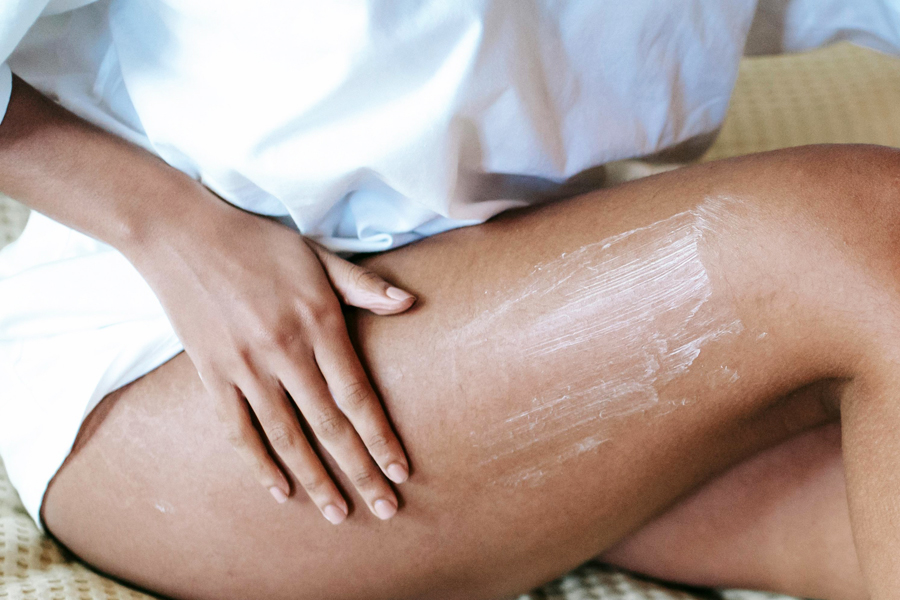
Skin care. Skin care for lipedema focuses on maintaining a healthy moisture barrier and preventing infections. Because the condition causes compromised circulation and requires compression garments, you should wash daily with mild, fragrance-free cleansers, thoroughly pat dry (especially in skin folds), and apply hydrating, barrier-repairing creams.
— It is important to reduce moisture. Trapped moisture in skin folds can lead to chafing and infections. Keeping these areas clean and completely dry is paramount.
— Keep the skin lubricated and protected. Applying a protective lotion or barrier cream before putting on compression garments helps reduce friction and makes donning the garments much more comfortable.
Maintenance is a daily routine, not a temporary cure.