-
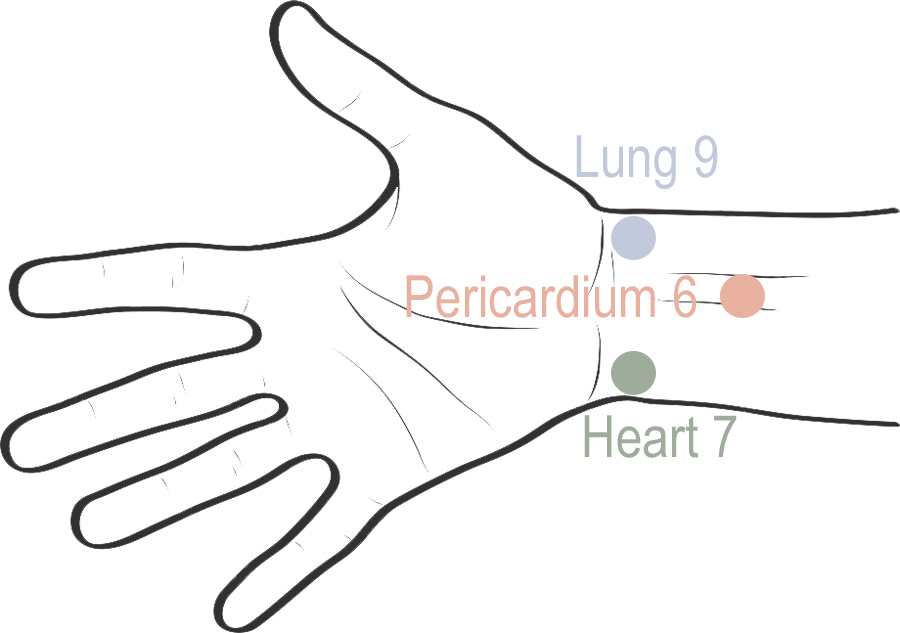
“Buddha’s Triangle” in Acupressure
 Sonora WellCare LLC
Acupressure points Heart 7, Lung 9, and Pericardium 6 are key points located on the wrist and forearm, often used together to manage stress, anxiety, nausea, and emotional instability — sometimes referred to as the “Buddha’s Triangle.” When combined, these points are used to calm the mind, relieve anxiety, and promote deep breathing. Pericardium 6…
-
Deep Tissue Oscillation

Deep tissue oscillation therapy is a type of non-invasive electrotherapy. It uses a low-frequency, low-intensity pulsed electrostatic field (5–250 Hz) to create gentle, rhythmic vibrations deep within tissues — up to 8 cm — to reduce pain, inflammation, and edema while accelerating healing. Aspects of deep oscillation. Mechanism. It works via an electrostatic field created…
-
Fascial Restrictions and Movement of Lymph
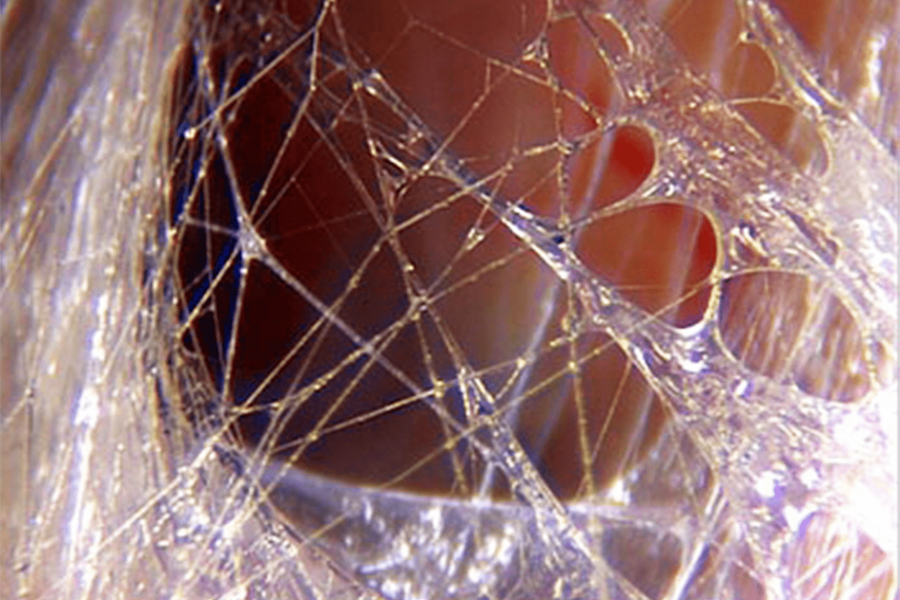 Stock
StockFascial restrictions directly impede lymphatic movement. Tight, adhered, or dehydrated fascia compresses delicate lymphatic vessels and creates blockages, leading to reduced fluid drainage, tissue congestion, chronic swelling (like lymphedema), and pain. Restricted fascia prevents the necessary tissue gliding, reducing the pumping action that moves lymph. What is the impact of restricted fascia on lymph flow?…
-
Microcurrent Stimulation
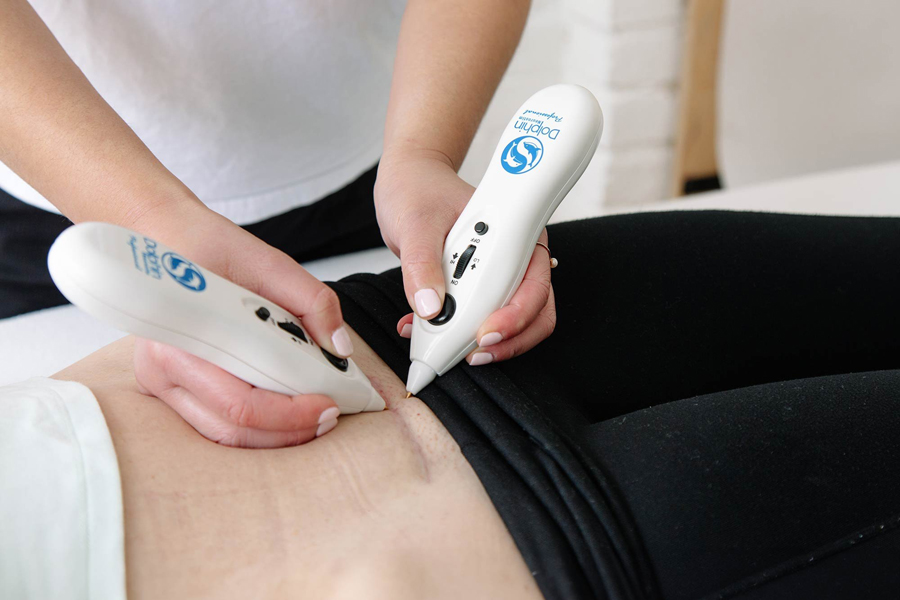
Microcurrent point stimulation (MPS) treats scar tissue and chronic pain and helps clients recover from injuries more quickly. MPS stimulates the nervous system and helps decrease to stress and release internal chemical signals to promote healing and pain reduction. A study in the Journal of Complementary and Alternative Medicine examined a group of 51 chronic…